All Categories
Featured

New Standards for Sweet Indulgence in 2026
Table of Contents

The culinary world is witnessing a significant shift in how sugar and spice are handled. As we move through 2026, the focus has moved away from mere sweetness toward a deeper appreciation for complexity and origin. Patrons are no longer satisfied with generic chocolate or vanilla. Instead, they seek out specific flavor profiles that tell a story of the season and the soil. This year, the trend is leaning heavily into "maximalist flavor" paired with "minimalist processing," where the natural characteristics of the ingredients are the primary focus.
In many urban centers, including a busy metropolitan center, pastry chefs are moving away from heavy synthetic syrups. They are replacing them with house-made reductions and infusions that capture the essence of the time of year. This approach requires more labor and a better understanding of chemistry, but the result is a dessert that feels intentional rather than mass-produced. The shift represents a broader desire for quality over quantity, where a single, perfectly executed pastry is preferred over a tray of mediocre sweets.
Springtime Florals and Herbaceous Notes
Spring in 2026 is defined by garden-inspired profiles. While lavender has been a staple for several years, this season sees the introduction of more savory herbs into the dessert menu. Rosemary-infused lemon tarts and thyme-scented honey cakes are appearing in boutique bakeries. These herbs provide a grounding earthiness that balances the sharp acidity of spring citrus. The goal is to create a sensory experience that mirrors the refreshing feel of the season.
Floral notes are also becoming more specific. Instead of a general "rose" flavor, chefs are specifying the variety of rose or using orange blossom water to add a delicate, perfume-like quality to mousses and sponges. Hibiscus is being used for its tartness and deep red hue, often paired with white chocolate to create a visual and flavorful contrast. These ingredients require a light touch, as too much can make a dessert taste medicinal. When done correctly, they offer a sophisticated lightness that perfectly suits the warming weather.
Summer Fruits and the Influence of Smoke
As the temperature rises, the dessert menu shifts toward stone fruits and tropical varieties, but with a twist. In 2026, the use of fire and smoke in the kitchen has extended to the pastry department. Grilled peaches, charred pineapple, and smoked salt caramels are everywhere. The heat of the grill caramelizes the sugars in the fruit in a way that an oven cannot replicate, adding a depth that pairs beautifully with cold elements like gelato or granita.
Many chefs find that using specific techniques in the kitchen can define their success. Businesses focusing on Service Standards are seeing high demand for these wood-fired treats. The smoky aroma provides a nostalgic connection to summer bonfires, while the cold dairy or fruit ice provides the necessary relief from the sun. We are also seeing a rise in "savory-sweet" combinations, such as tomato jam on shortbread or corn-flavored ice cream with a miso-caramel drizzle. These combinations challenge the traditional definition of dessert and offer something truly unique for the adventurous eater.
Autumn Earthiness and Deep Spice
When the leaves begin to turn, the focus shifts to the harvest. In 2026, the "pumpkin spice" craze has matured into a broader exploration of root vegetables and warm spices. Sweet potato, parsnip, and even roasted beets are being incorporated into cakes and puddings. These vegetables provide a natural moisture and a subtle sweetness that pairs well with heavy spices like cardamom, star anise, and toasted cloves. The result is a denser, more satisfying dessert that feels appropriate for the cooling air.
Nutty profiles are also taking center stage this autumn. While walnuts and pecans remain popular, there is a growing interest in hazelnuts and pistachios sourced from specific regions. These nuts are often stone-ground into butters or used to create crunchy praline layers within multi-textured cakes. High Service Standards has become essential for pastry chefs who want to create these multi-layered masterpieces. By focusing on the texture, from the crunch of the nut to the silkiness of a spiced ganache, chefs are able to provide a complex experience that satisfies the palate on multiple levels.
Winter Fermentation and Darker Tones
Winter 2026 is seeing a fascination with fermented ingredients. Miso, koji, and sourdough are being used to add umami and tang to traditionally sweet dishes. A chocolate tart might be finished with a miso-infused glaze, or a bread pudding might use a sourdough base to provide a sharp counterpoint to a rich custard. This trend is part of a larger interest in gut health and traditional food preservation, but it also happens to taste incredible when paired with dark chocolate or dried fruits.
:max_bytes(150000):strip_icc()/258370-frozen-vanilla-custard-VAT-011-step-07-2a6ea34b39c842d5b2d4fb6c39f4a053.jpg)
The demand for Flavor Options for Shakes often peaks during the colder months when people are looking for comfort. This leads to a rise in "warming" desserts that use ginger, black pepper, and chili to provide a subtle heat. Cocoa is also being treated with more respect, with "single-estate" dark chocolates being used to create intense, barely-sweet desserts that appeal to the mature palate. These winter treats are designed to be enjoyed slowly, perhaps with a cup of strong coffee or a glass of fortified wine, emphasizing the idea of indulgence as a slow, deliberate act.
The Focus on Ingredient Integrity
Throughout the year, the common thread in every seasonal trend is the integrity of the ingredients. In the local market, there is a visible move toward transparency. Consumers want to know where their cocoa was grown, who produced their butter, and how their flour was milled. This demand for information has pushed the industry to improve its supply chains and focus on smaller, high-quality producers. It is no longer enough for a dessert to taste good; it must also be made from components that reflect a commitment to excellence.
This focus on quality means that seasonal availability is more strictly observed. If strawberries are not at their peak, they will not be on the menu. If the local honey harvest was small, the honey-based desserts will be limited. This scarcity creates a sense of anticipation and makes the arrival of each new season more meaningful. It encourages people to eat in harmony with the environment and to appreciate the flavors that are only available for a few weeks each year. In 2026, the best desserts are those that capture a specific moment in time and present it with skill and care.
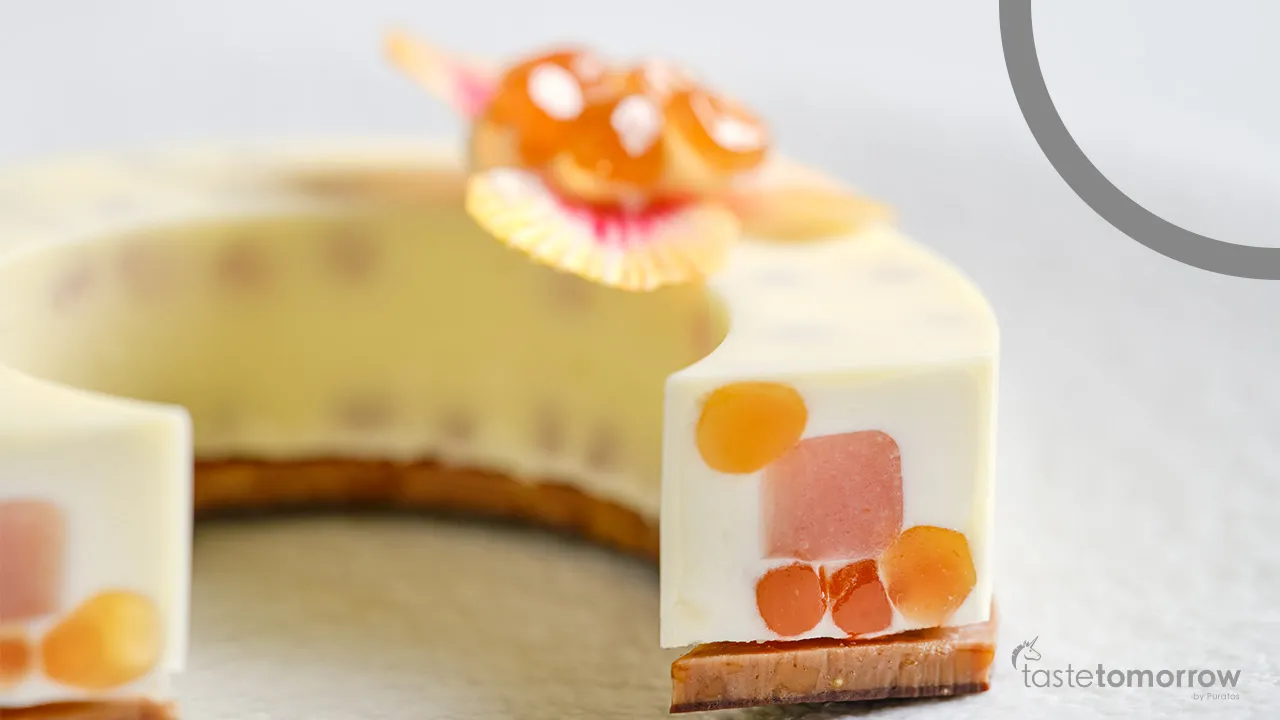
Ultimately, the dessert trends of 2026 are about a return to the basics, but with a refined and knowledgeable perspective. By combining traditional techniques with unexpected ingredient pairings, chefs are creating a new era of indulgence. Whether it is a simple herb-infused cake in the spring or a complex fermented chocolate creation in the winter, the focus remains on the purity of flavor and the joy of a well-made treat. This year proves that when quality is the priority, the possibilities for sweet innovation are limitless.

Latest Posts

New Standards for Sweet Indulgence in 2026

The Science of Smoothness in 2026

Modern Dessert Preferences in the Local Market