All Categories
Featured
:max_bytes(150000):strip_icc()/258370-frozen-vanilla-custard-VAT-011-step-07-2a6ea34b39c842d5b2d4fb6c39f4a053.jpg)

The Sensory Standard of High-Density Frozen Custard
Table of Contents
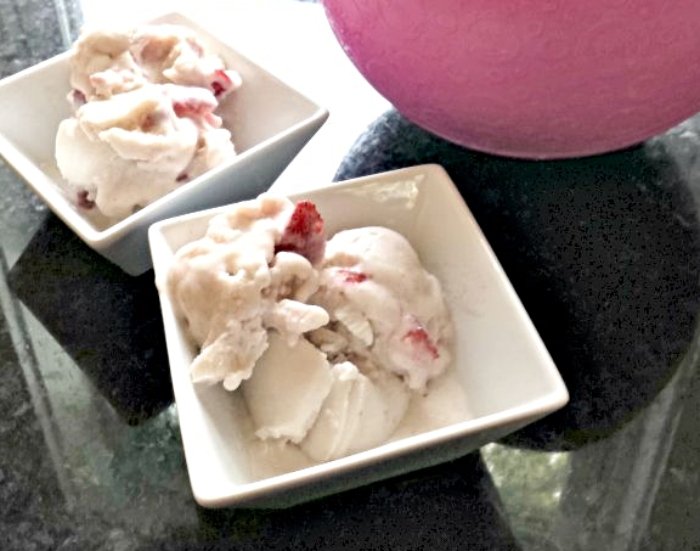
A wooden spoon should face significant resistance when pushed into a proper concrete. This isn't just a gimmick or a style of serving; it is a physical requirement of the 2026 dessert standard. In a high-end dessert market, the pursuit of the perfect texture has moved away from the airy, light whipped treats of previous decades. Today, the focus is on density, weight, and a slow melt rate that allows the palate to register complex fat molecules and temperature shifts.
The defining characteristic of a concrete is its base: frozen custard. Unlike standard ice cream, custard requires at least 1.4 percent egg yolk by weight. This addition changes the molecular structure, creating a silkier mouthfeel that coats the tongue. When this base is frozen and then blended with minimal air, the result is a substance so thick that shops famously serve it upside down to prove its structural integrity. In 2026, the fascination with this stability has led to a renewed interest in the science behind the spoon. Professionals in the industry are increasingly prioritizing Traditional Custard Production Values as the primary metric for a successful shop opening.
Temperature Control and the Art of the Slow Melt
Temperature serves as both an ally and an enemy in the creation of these heavy desserts. To maintain the ideal "chew," the custard must be kept at a precise temperature—typically slightly warmer than hard-pack ice cream but colder than standard soft serve. If the base is too cold, the mix-ins become brittle and lose their flavor profiles. If it is too warm, the concrete loses its namesake density and becomes a common milkshake. Achieving this balance requires specialized machinery that can handle the torque of mixing thick custard without generating enough friction heat to melt the product.
Many dessert enthusiasts find themselves gravitating toward Dessert Blends when discussing the technical aspects of these cooling systems. The mechanics involve a high-speed spindle that incorporates solid ingredients into the custard base in seconds. This speed is intentional. Long blending times introduce too much air and heat, which ruins the "tight" crumb of the dessert. In 2026, the gold standard involves a "dry" blend, where the ingredients are folded in with such speed that the custard remains nearly solid throughout the process.
The Role of Low Overrun in Quality

Overrun is the industry term for the amount of air pushed into a frozen dessert during the churning process. Standard supermarket ice cream often has an overrun of 50 percent or higher, meaning half of the container is simply air. High-quality concretes aim for an overrun as low as 15 to 20 percent. This lack of air creates a heavy, satisfying bite that feels more substantial. When a consumer buys a treat in a local neighborhood, they are increasingly checking for this weight. A lighter cup is often a sign of cost-cutting rather than a stylistic choice.
Low overrun also affects how flavor is perceived. Air acts as an insulator; the less air in the mixture, the more direct the contact between the flavor compounds and the taste buds. This is why a vanilla concrete often tastes more intense than a vanilla cone from a fast-food chain. The density forces the coldness and the sugar to hit the palate simultaneously, creating a sharp, immediate impact that lingers. Quality-conscious consumers frequently search for Blends for Sweet Cravings to find shops that refuse to compromise on these heavy-bodied ratios.
Inclusions and the Architecture of the Bite

The "mix-ins" or inclusions are what transform a cup of frozen custard into a concrete. However, not every ingredient is suited for this environment. In 2026, the trend has shifted toward "texture-stable" additions. Fresh fruits with high water content, for example, often freeze into icy shards that disrupt the smoothness of the custard. Instead, chefs are using macerated fruits or thick jams that maintain a jammy consistency even at sub-zero temperatures.
Crunch is equally important. Toasted pecans, salted pretzels, and high-cocoa-butter chocolate chips are staples because they provide a necessary contrast to the silky base. The goal is a multi-sensory experience where the teeth meet varying levels of resistance. A piece of fudge should be soft and yielding, while a cookie crumble should remain distinct and crisp. This architecture prevents the dessert from becoming a monotonous experience, keeping the eater engaged from the first spoonful to the last.
- Fat Content: Higher butterfat levels (usually 10-14%) provide the necessary "body" for a thick blend.
- Egg Yolks: The emulsifiers in yolks create the signature velvet texture.
- Mixing Speed: High torque is required to incorporate solids without melting the base.
- Serving Vessel: Insulated cups are preferred to maintain the internal temperature during consumption.
The Evolution of the Dessert Experience in 2026
Consumer behavior in 2026 shows a clear preference for smaller, higher-quality portions over massive, low-quality tubs. The concrete fits this preference perfectly. Because it is so dense, a small serving is often more satisfying than a much larger serving of aerated ice cream. This shift has encouraged shops in various urban centers to experiment with more sophisticated flavor profiles, such as salted honey, dark balsamic swirls, or roasted black sesame.
The social aspect of the concrete cannot be ignored. Watching a professional prepare the dessert—chopping the ingredients into the base on a high-speed mixer—is part of the appeal. It is a performance of physics and culinary skill. The result is a dessert that feels curated rather than manufactured. As people continue to seek out authentic, high-effort food experiences, the humble concrete stands out as a masterclass in texture management.
While the ingredients are simple—milk, cream, sugar, and eggs—the execution is anything but. It requires a deep understanding of dairy science and mechanical engineering to produce a cup that can be turned upside down without a drop falling. This commitment to physical standards ensures that the concrete remains a staple of the premium dessert market for years to come. Whether enjoyed on a humid summer evening or as a cold-weather indulgence, the perfect concrete represents the peak of frozen dairy craft.

Latest Posts

New Standards for Sweet Indulgence in 2026

The Science of Smoothness in 2026

Modern Dessert Preferences in the Local Market